What are wood pellets used for?
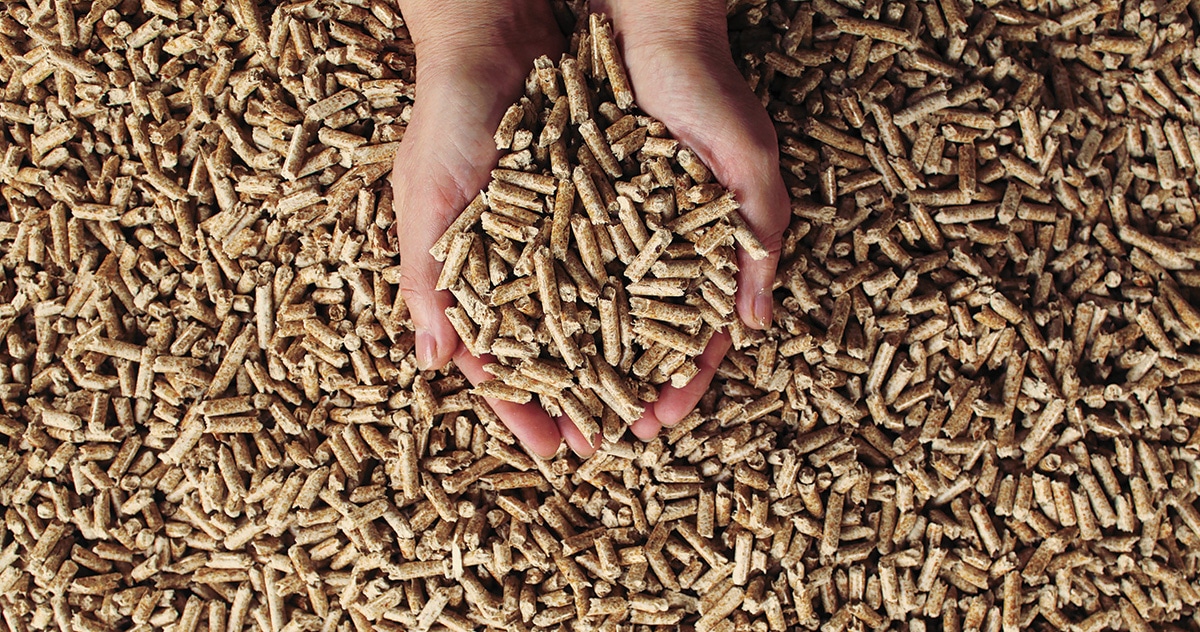
Wood pellets are manufactured from materials such as sawdust, wood shavings, corn stalks, waste wood, wood scraps, peanut shells, rice husks, etc. These materials are carefully selected, dried, and compressed under high pressure to form small, hard pellets that can replace traditional fuels. Wood pellets have low moisture and ash content but generate high heat output, and they are particularly safe for users’ health.
Wood pellets have a wide range of applications and are highly favored. Below are some common uses of wood pellets:
As fuel:
In industry, wood pellets are used on a large scale to improve thermal efficiency and reduce polluting waste. In addition, they are also used on small and medium scales for cooking, heating, and boiling water.
Animal bedding:
Wood pellets are used as bedding for livestock and animals thanks to their excellent moisture absorption, effective odor control, softness, and ease of cleaning.
Agricultural applications:
After combustion, wood pellets produce ash rich in minerals, which can be used as fertilizer to supply nutrients to crops.
Reducing environmental impact:
Wood pellets help minimize negative environmental impacts by reducing the use of waste materials for energy generation.
Export potential of wood pellets
According to reports by Forest Trends and the Research Group of the Vietnam Timber & Forest Products Association, total wood pellet exports in 2022 reached 4.88 million tons, an increase of 39.35% compared to 2021. Export turnover in 2022 exceeded USD 787 million, up more than 90% year on year. Export prices of wood pellets rose continuously throughout 2022, reaching a record high of USD 189 per ton.
In the first three months of 2023, wood pellet export turnover reached USD 212 million, up 31% compared to the same period of the previous year. Wood pellet exports continued to grow steadily amid fuel shortages and the global trend toward reducing greenhouse gas emissions. However, Vietnamese enterprises need to pay close attention to quality regulations, control of input materials, and product quality assurance to meet the strict standards of markets such as South Korea, Japan, and the EU.
Container packing methods for wood pellets
-
For the most cost-effective option when shipping large volumes, bulk vessels should be used, applicable when each shipment is 10,000 tons or more.
-
If the volume is under 1,000 tons, customers should consider loading into 20-foot containers using direct blowing. Each container can hold approximately 17–19 tons. This method is cost-saving, but unloading at the destination port may be inconvenient for warehouse storage.
-
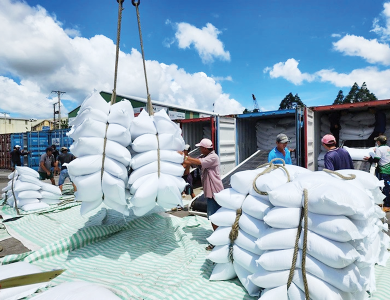
The final option is packing in jumbo bags, each weighing about 1 ton, loaded into 40-foot high-cube containers. Each container can carry around 24–26 bags. This method is convenient for loading and unloading, but freight costs are higher than option 2.
Major importing markets for wood pellets
South Korea:
South Korea is the largest importer of wood pellets from Vietnam. Wood pellets are one of the key commodities promoted by the Korean government, with extremely large volumes. They are used as fuel in thermal power plants in Gwangyang to generate energy.
Japan:
Japan is also considered a major market for wood pellets, where they are mainly used as bedding for livestock.
Eastern European countries:
Since the outbreak of the Russia–Ukraine war and the resulting energy crisis in Europe, these countries have turned to wood pellets as an alternative energy source. Although volumes are not large, the market is still noteworthy.
Required documents for exporting wood pellets
The process and procedures for exporting wood pellets generally follow standard export regulations; however, a phytosanitary certificate and a fumigation certificate are additionally required.
Phytosanitary certificate:
This is a mandatory document for agricultural and forestry products when exported. Enterprises must submit samples of wood pellets to the quarantine authority for inspection. The authority will then issue a draft certificate for the importer’s review. Once approved, the enterprise pays the required fee and receives the official certificate.
Fumigation certificate:
After inspection and disinfection by the quarantine authority, fumigation is carried out to ensure product safety and eliminate bacteria and pests. The chemical commonly used in this process is bromide.
Legal basis
-
Circular No. 01/2012/TT-BNNPTNT: Regulations on dossiers of legal forest products.
-
Circular No. 40/2015/TT-BNNPTNT: Amendments and supplements to Circular No. 01/2012/TT-BNNPTNT.
-
Document No. 07/VBHN-BNNPTNT/2016: Consolidated regulations on dossiers of legal forest products and forest product inspection.
-
Circular No. 24/2017/TT-BNNPTNT: Issuance of the HS Code list for export and import goods under the management of the Ministry of Agriculture and Rural Development.
HS Code and export tax for wood pellets
The HS Code for wood pellets is 44013100. According to the 2022 export–import tariff schedule, the export tax rate for wood pellets is 0%, meaning enterprises are not required to pay export tax for this product.
Customs documents for exporting wood pellets
According to Circular No. 39/2018/TT-BTC, the customs dossier for exporting wood pellets includes:
-
Customs declaration
-
Bill of lading
-
Export license
-
Commercial invoice
-
Sales contract
-
Packing list
-
Phytosanitary certificate
-
Fumigation certificate
Above is the essential information on wood pellet export procedures that K PLUS would like to share. We hope this article helps businesses better understand the process and required documentation for successfully exporting wood pellets.
If you need legal support or assistance with import–export and customs procedures to avoid mistakes when exporting goods, please contact K PLUS for fast and effective consultation and support.
Contact us:
📞 0987 042 291 (Mr. Đạt)
📧 joe.hua@hcm.kplus-gp.com
🏢 Office: 458 Nguyen Thi Minh Khai Street, Ban Co Ward, Ho Chi Minh City